UniEuk

Universal taxonomic framework and integrated reference gene databases for Eukaryotic biology, ecology, and evolution

UniEuk at a Glance

UniEuk is an open, inclusive, community-based, and expert-driven international initiative to build a flexible, adaptive universal taxonomic framework for eukaryotes.

It comprises three complementary modules, EukRef, EukBank, and EukMap to unite community knowledge and data from phylogenetic markers and environmental metabarcoding surveys to inform the taxonomic framework.

The resulting UniEuk taxonomy is regularly implemented at EMBL-EBI and NCBI, ensuring its long-term preservation and broad use as a reference taxonomy for eukaryotes.
EukMap Launched

Our taxonomy curation platform EukMap has been launched and can be accessed at https://eukmap.unieuk.net. The platform hosts the latest version of the UniEuk taxonomy and welcomes contributions from the community.

Discussion & Feedback

EukMap documentation is currently hosted on GitHub, where users are welcome to discuss the taxonomy, share feedback, and raise support questions, in the Issues section.

UniEuk: Naming Life's Majority

UniEuk is a community-based project to achieve a universal taxonomic framework for eukaryotes, focused primarily on protists, integrating information from relevant genetic markers and classical morphology-based data, and validated by a comprehensive network of taxonomy experts. UniEuk will integrate phylogenetically-informed reference databases of genetic markers with reference alignments and trees, based on the standardized curation process of the 18SEukRef initiative. The system’s broad use and long-term preservation will be ensured by a direct implementation into the INSDC genetic data repositories via their EMBL-EBI node.

Guiding Principles

We are an open and inclusive, community-based, expert-driven initiative. We apply a transparent decision-making process that requires compromise and consensus-building. Our efforts incorporate DNA sequence phylogeny, morphological information (images), and other relevant data to build a robust, yet flexible and integrative working taxonomy of eukaryotes for the benefit of the broader community.

Primary Objectives

  • Build consensus on an open, editable and evolvable, eukaryotic taxonomic framework via international community workshops and an interactive online system.
  • Optimize the shared taxonomic map by taking into account relevant sequence comparisons and morphological information for expert-defined taxonomic groups.
  • Use the resulting taxonomy to inform major scientific databases (of genetic markers, images, etc.) and make it available to INSDC and other stakeholders, including basic educational textbooks, schools, and museums.
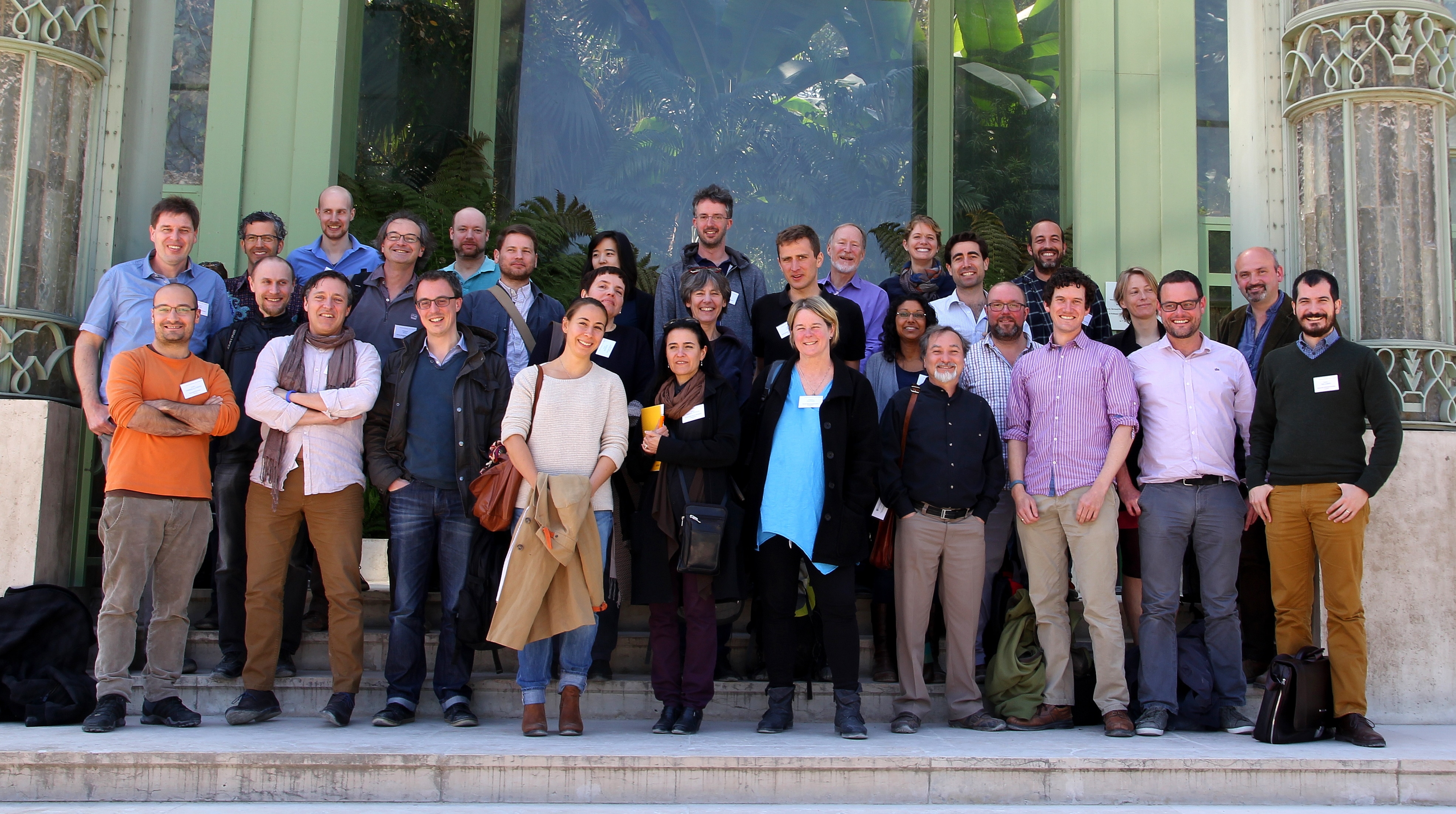
UniEuk participants